Exploring Mono Printing with Slip Part Two
- Victoria
- Mar 25
- 2 min read
Updated: Apr 25
The slip monogram test pieces explored the use of layered surface decoration through the application of various oxides. Each piece was treated with oxides before being partially covered in a transparent glaze and fired, allowing for a comparison of both material response and firing conditions.
Three of the pieces were fired in the electric kiln, while the fourth test tile and a test bowl were fired in the gas reduction kiln. Among the electric kiln firings, tile one combined copper oxide with black iron oxide applied into the carved sections. Tile two featured red iron oxide, while tile three was treated with cobalt carbonate. Each oxide offered a different tonal quality and potential for contrast against the clay body and glaze.
However, the results were not as successful as anticipated. My intention was to apply the oxides and then wipe them back to accentuate the carved areas, but in practice I removed too much material, losing much of the depth and contrast I had hoped to achieve. The surfaces appeared lighter and less defined than planned, diminishing the impact of the monogram textures.
Reflecting on this process, I think a different approach would have been more effective. Instead of selectively applying and wiping back the oxides, creating a more fluid oxide wash and applying it across the entire surface may have produced stronger results. This method would allow the oxides to naturally settle into the recessed and textured areas, building up richer layers of colour and enhancing the sense of depth. This approach feels more aligned with the layered, atmospheric effect I was aiming to achieve and will be something to test in future firings.
Tile One


Tile Two

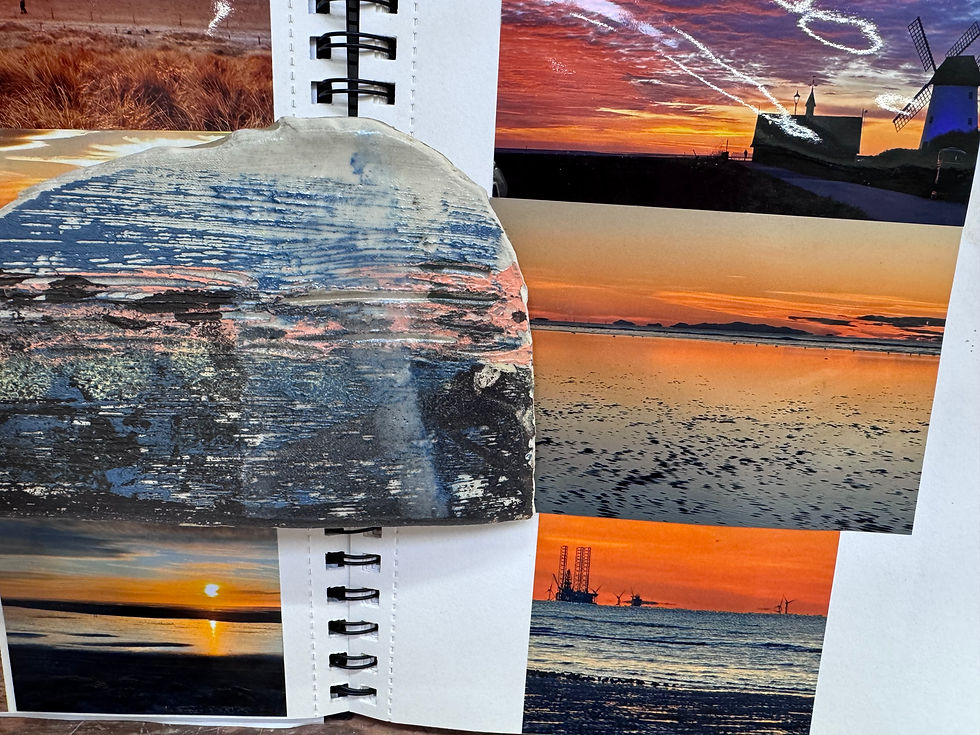
Tile Three


Tile Four


Comments