Ceramic Art London 2026
- Victoria
- May 8
- 2 min read
Last week I made the long journey to Ceramic Art London at Olympia London, and although it was a very long day travelling there and back, it was completely worth it. From the moment I arrived, the atmosphere was buzzing with energy and excitement. Every corner offered something new to discover, and the sheer range of ceramic work on display was incredible.
What struck me most was the diversity of approaches and ideas. There were works that felt deeply rooted in tradition alongside pieces that pushed ceramics into unexpected and experimental territory. It was inspiring to see so many different voices and practices gathered together in one place, each artist exploring material, form, surface and meaning in their own unique way.
One of the greatest opportunities the event offered was the chance to speak directly with the artists themselves. Hearing people discuss not only how they make their work, but why they make it, added another layer of understanding entirely. Conversations about process, intention, experimentation and failure all reminded me how rich and thoughtful ceramic practice can be.
I was especially excited to meet Ania Perkowska, whose work explores themes of ritual and gathering — ideas that strongly resonate with my own interests. It was fascinating to study her goblet forms in person, particularly as this is a form I am very interested in attempting myself. Seeing the balance, proportion and presence of the pieces up close gave me so much to think about in terms of how vessels can hold both function and symbolism simultaneously.


Dan Kelly was also incredibly generous in sharing insights into how he achieves his forms and develops his decorative style. It is always valuable hearing artists speak openly about process, and his advice was both practical and encouraging.


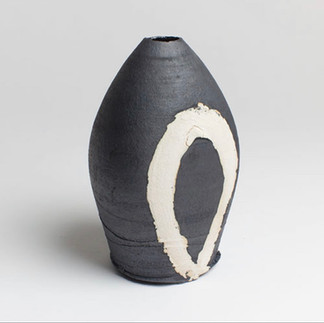
I also really enjoyed speaking with Emily Stubbs. She had some fabulous advice about balancing and multitasking within a career in ceramics, which was reassuring and motivating to hear. I was particularly interested in her mark making and the way surface becomes such an active part of the work.
Another highlight was learning more about Richard St John Heeley and his use of local materials. Hearing about his processes and seeing the effects achieved through wood firing was fascinating. The surfaces and variations created through the firing process were absolutely stunning — the kind of work that keeps revealing more the longer you look at it.





By the end of the day my head was full of ideas. It was one of those experiences that leaves you creatively energised but also reflective. I came away having learnt a huge amount, with plenty to take home, think about, and consider moving forward in my own work.
A very long day — but a wonderful one.







Comments